Humor and Symbolism in Sports Betting Ads – Adapted to Local Cultures

Humor and Symbolism in Sports Betting Ads – Adapted to Local Cultures
Sports betting ads have become a familiar part of the modern sports landscape. They appear on stadium billboards, during commercial breaks, and across social media feeds—often with a wink and a smile. Yet behind the lighthearted tone lies a carefully crafted message, where humor and symbolism are used strategically to build recognition and trust. What works in one country, however, may fall flat—or even offend—in another. That’s why both humor and symbolism are adapted to fit local cultures, values, and linguistic nuances.
Humor as a Cultural Mirror
Humor is one of advertising’s most powerful tools, but also one of the riskiest. What makes one audience laugh might confuse or alienate another. In the United States, sports betting ads often rely on quick wit, pop‑culture references, and a sense of friendly competition. The humor tends to be bold and conversational—reflecting the American preference for confidence and self‑expression.
In contrast, British campaigns might lean on irony or absurdity, while Asian markets often favor more subtle, visual humor. The key is cultural resonance: American audiences respond well to humor that feels spontaneous and relatable, such as friends teasing each other over a game or a fan’s exaggerated superstition before kickoff. The laughter creates a sense of belonging, turning betting into a shared social experience rather than a solitary act.
Symbolism and National Identity
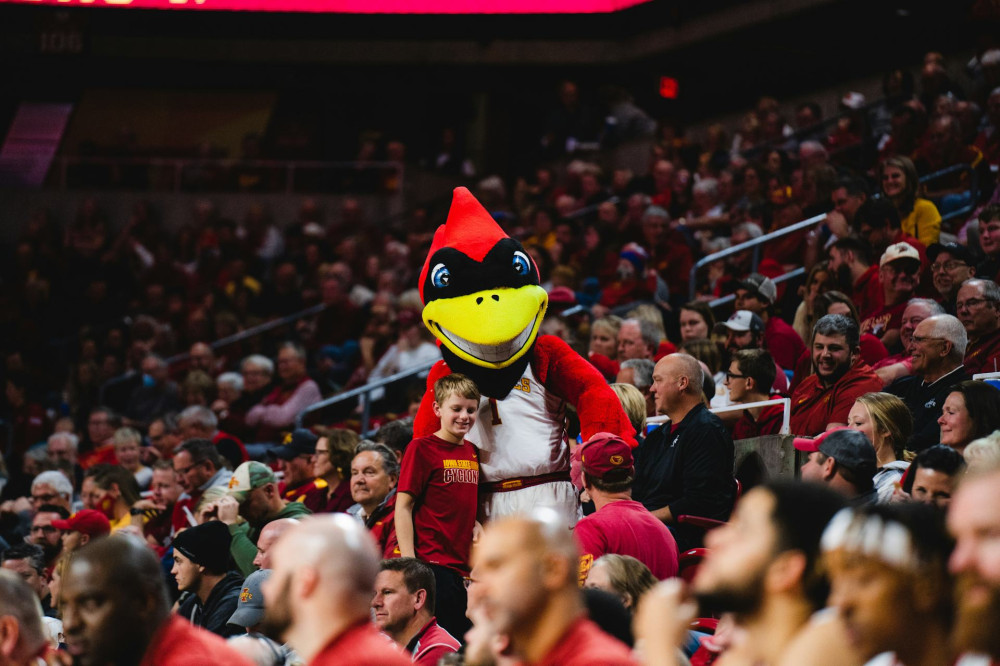
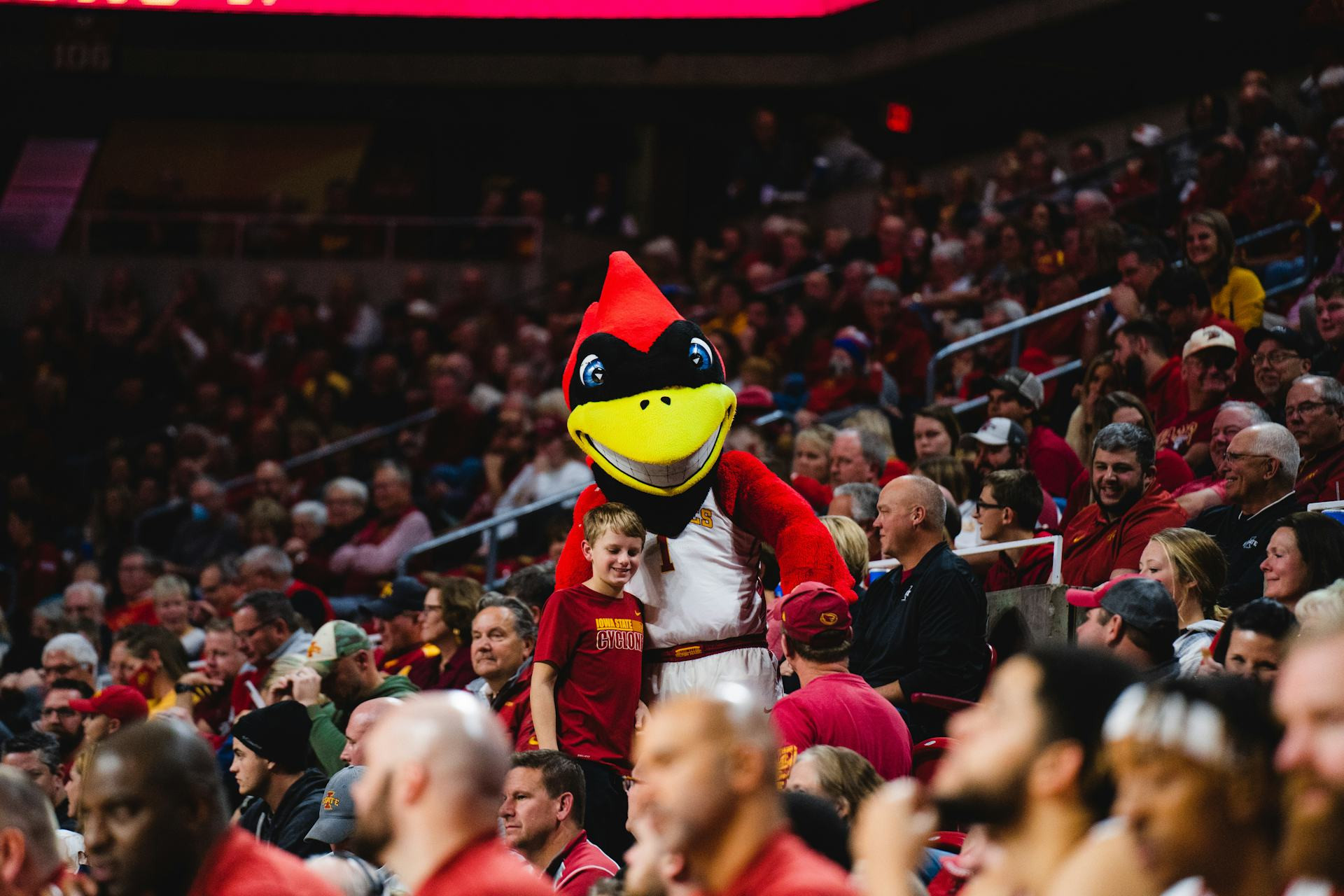
Symbols in advertising act as shortcuts to emotion and meaning. In the U.S., sports betting ads frequently draw on imagery tied to national identity—team colors, tailgate parties, and the thrill of competition. The symbolism often celebrates individual achievement and the underdog spirit, echoing broader American values of ambition and perseverance.
Elsewhere, the same symbols might not carry the same weight. A handshake, a color, or even a gesture can mean something entirely different across cultures. For example, while the color red might suggest energy and excitement in the U.S., it can symbolize luck in China or warning in Northern Europe. Successful global brands understand that visual language must be localized just as carefully as spoken language.
Humor’s Role in Building Trust
In the world of betting, trust is everything. Consumers need to feel that a brand is both credible and entertaining. Humor helps bridge that gap—it humanizes the company and makes it approachable. When an ad makes viewers smile, it lowers their defenses and increases the likelihood that they’ll remember the message.
Still, balance is crucial. Too much humor can make betting seem frivolous or irresponsible, while too little can make the brand appear cold or corporate. The most effective campaigns combine humor with clear symbolic cues that reinforce the brand’s identity—whether that’s responsible gaming, community spirit, or the excitement of competition.
Læs også:


Local Partnerships and Authentic Voices
To strike the right tone, many betting companies collaborate with local athletes, comedians, or influencers. These partnerships lend authenticity and cultural grounding. A well‑known quarterback joking about his own missed passes can resonate far more than a generic celebrity endorsement.
At the same time, advertisers are increasingly aware of cultural sensitivity. Jokes that once seemed harmless may now be viewed as stereotypical or exclusionary. As a result, brands often consult local advisors to ensure their humor and symbolism align with current social values and ethical standards.
A Global Industry with Local Nuance
Sports betting is a global business, but its communication is becoming ever more local. Humor and symbolism act as cultural codes that must be translated with care. A successful ad isn’t just funny—it’s meaningful within its specific context.
When humor and symbolism are used with respect for local cultures, sports betting ads can become more than just marketing messages. They can reflect how people experience sports, community, and entertainment in different parts of the world—and in doing so, create a connection that goes far beyond the game itself.
Læs også: