Improvement Without Victory: How to Assess a Horse’s Form Development

Improvement Without Victory: How to Assess a Horse’s Form Development
In horse racing, winning isn’t the only measure of progress. A horse can be improving even when it doesn’t cross the wire first. For trainers, owners, and handicappers, recognizing those subtle signs of development is key to understanding when a horse is approaching peak form. Assessing form is about more than results—it’s about context, effort, and trajectory. Here’s how to spot improvement, even when the scoreboard doesn’t show it.
Look Beyond the Finish Position
A quick glance at a horse’s placing can be misleading. A fifth-place finish might actually be a stronger performance than a second-place run, depending on the race dynamics and competition. That’s why it’s essential to look deeper than the numbers.
Ask yourself:
- What was the race pace like?
- Did the horse run wide or without cover?
- Was the track fast, sloppy, or tiring?
- How strong was the field compared to previous starts?
A horse that runs well against tougher competition or in a demanding pace scenario may be showing significant progress, even without a win. The key is to evaluate the performance relative to the circumstances.
Læs også:
Watch the Finish
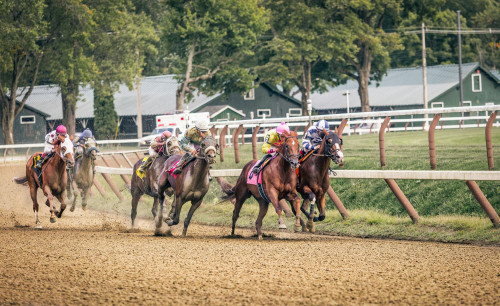
One of the clearest indicators of form is how a horse finishes. A strong late run shows both physical fitness and mental determination. Pay attention to the final furlong or two—does the horse accelerate, or does it flatten out?
In Thoroughbred racing, a horse that finishes willingly under minimal urging is often on the upswing. In harness racing, maintaining rhythm and stride all the way to the wire is a similar sign. A horse that closes ground from a poor position or finishes with energy left is often ready to take the next step forward.
Consistency and Rhythm in Performances
Form development is also about consistency. A horse that once ran erratically but now delivers steady, solid efforts is likely maturing and improving. You’ll notice it in how the horse maintains pace, responds to the rider or driver, and stays focused throughout the race.
Trainers often say a horse is “coming forward with each start.” That means it’s gaining strength, confidence, and race experience. This is especially true for younger horses, where each outing contributes to both physical and mental growth.
Physical Signs of Progress
Even without a stopwatch, you can often see improvement in a horse’s physical condition. A horse in good form has a shiny coat, well-defined muscles, and moves freely. It looks alert but relaxed in the paddock and during warm-up.
If you follow horses over time, you’ll notice how they change after layoffs or setbacks. A horse that once looked heavy or unfocused but now moves with purpose and energy is likely rounding into top condition. These visual cues often confirm what the race performances suggest.
The Race Tells the Story
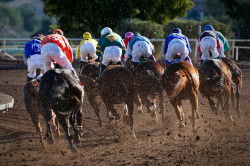
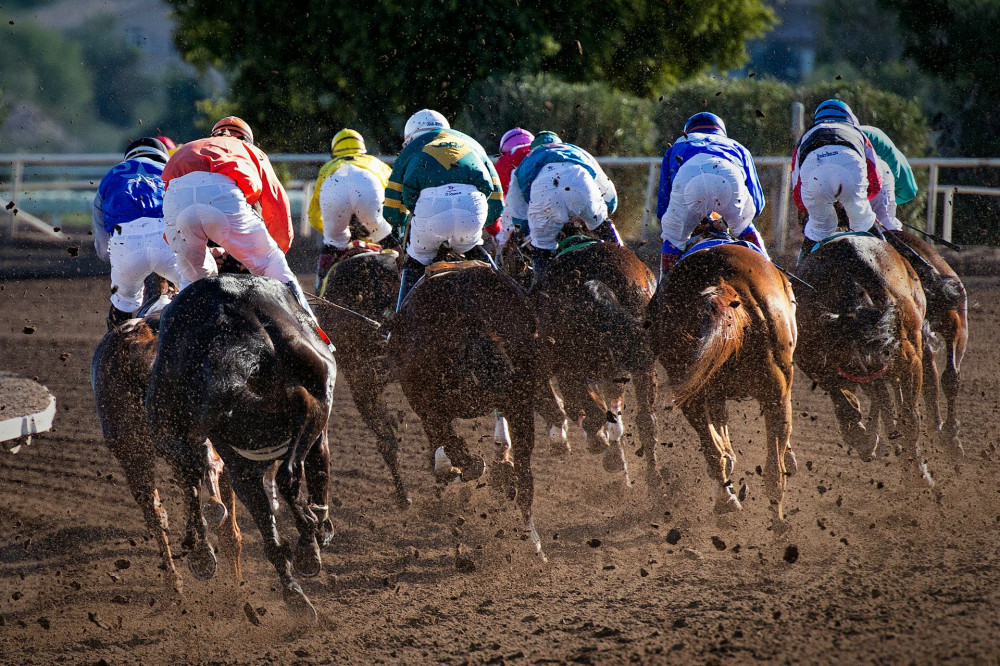
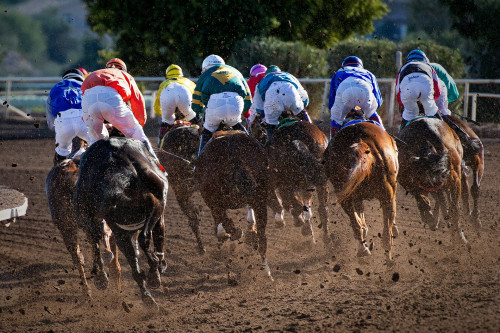
To truly understand a horse’s effort, analyze how the race unfolded. Did the horse get caught wide on both turns? Was it boxed in with no room to run? Did it face traffic or interference? These details can explain why a horse didn’t win—and reveal that it actually ran a much better race than the result shows.
Many serious handicappers rewatch race replays to catch these nuances. A horse that finishes with energy but never gets a clear run is often a prime bet next time, especially if it draws a better post or meets easier company.
Trainer Insights and Comments
Trainer comments before and after races can offer valuable clues. When a trainer says a horse “needed the race” or “is moving forward in training,” it often signals that improvement is expected soon. Pay attention to remarks about appetite, attitude, and recovery—these are strong indicators of where a horse is in its form cycle.
When Improvement Turns Into Victory
Spotting form progression isn’t just about understanding the horse—it’s about predicting when it will all come together. A horse that’s been improving steadily over several starts will eventually get the right trip, the right pace, or the right field—and that’s when the win comes. For the observant fan or bettor, recognizing that moment before everyone else is where the real edge lies.
Conclusion: Winning Isn’t Everything
In horse racing, victory is the visible goal, but form development is the hidden story. Those who learn to read that story gain a deeper appreciation of the sport—and often a competitive advantage. Improvement without victory isn’t failure; it’s a sign that something good is building. And in racing, the ability to see that progress before it becomes obvious is what separates the seasoned eye from the casual observer.
Læs også: