The Secrets of the Court Surface: Predicting How a Tennis Match Will Unfold

The Secrets of the Court Surface: Predicting How a Tennis Match Will Unfold
When two tennis players step onto the court, it’s not just their technique, fitness, or mental toughness that determines the outcome. The surface beneath their feet plays a crucial role in shaping how the match unfolds. Each type of court—clay, grass, or hardcourt—has its own personality, influencing the ball’s speed, bounce, and the players’ movement. For anyone who wants to understand or even predict the flow of a match, knowing the secrets of the surface is essential.
Clay Courts – The Test of Patience
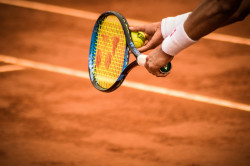
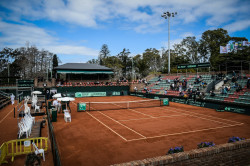
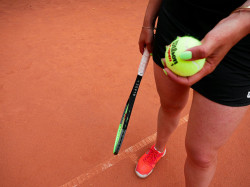
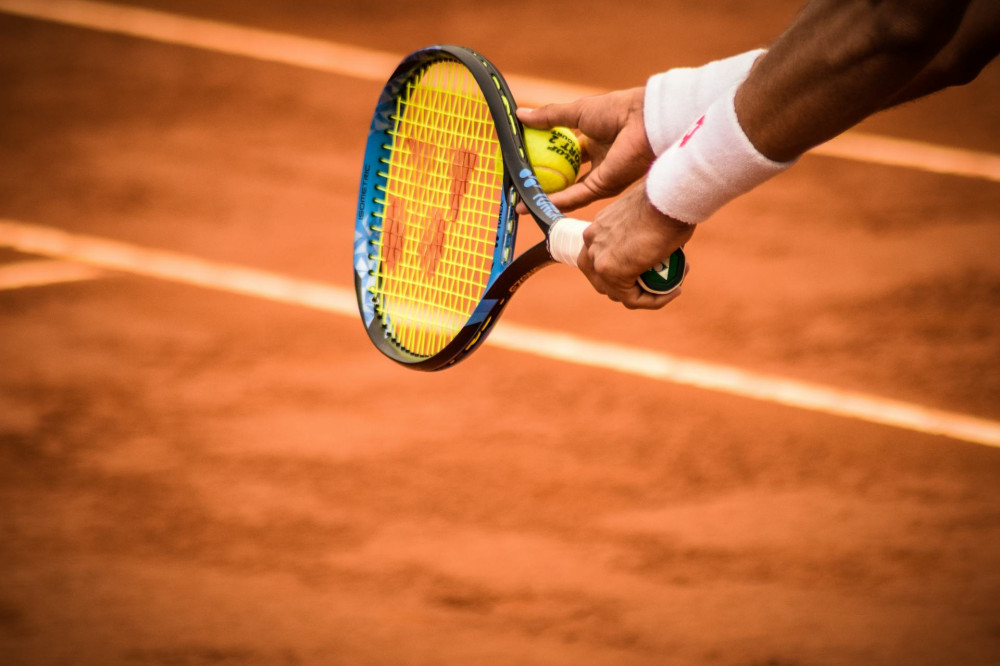
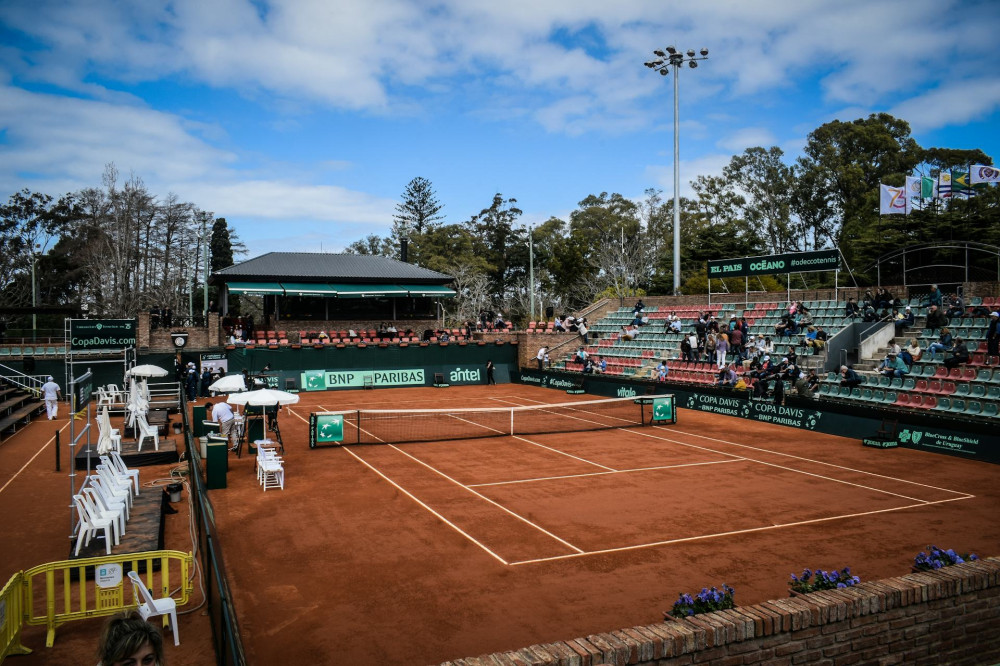
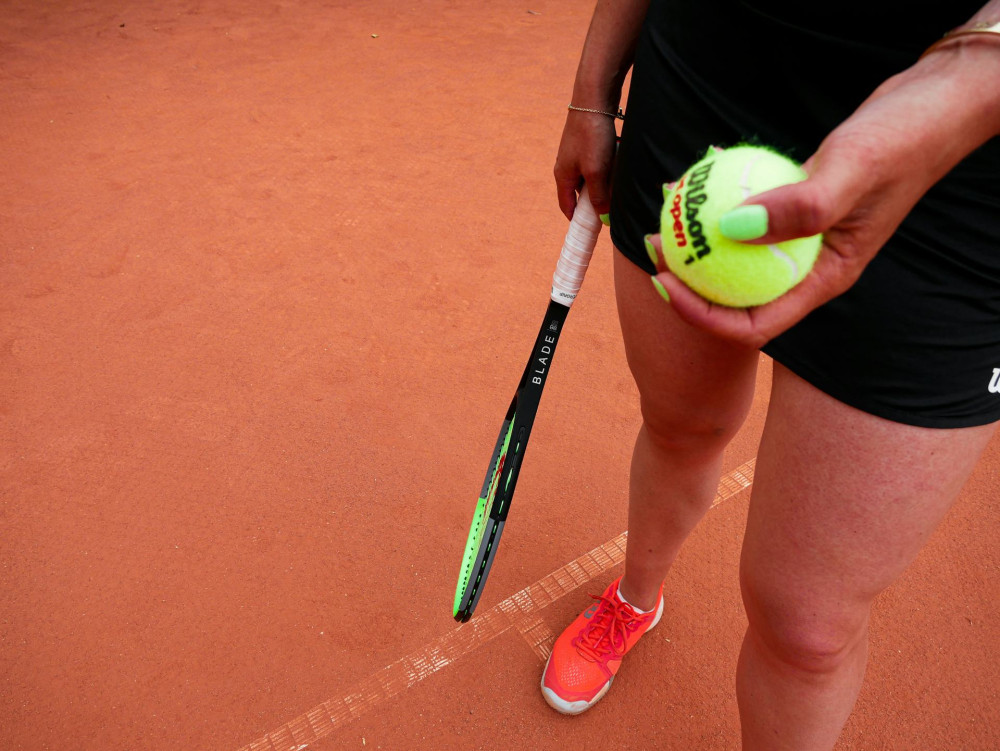
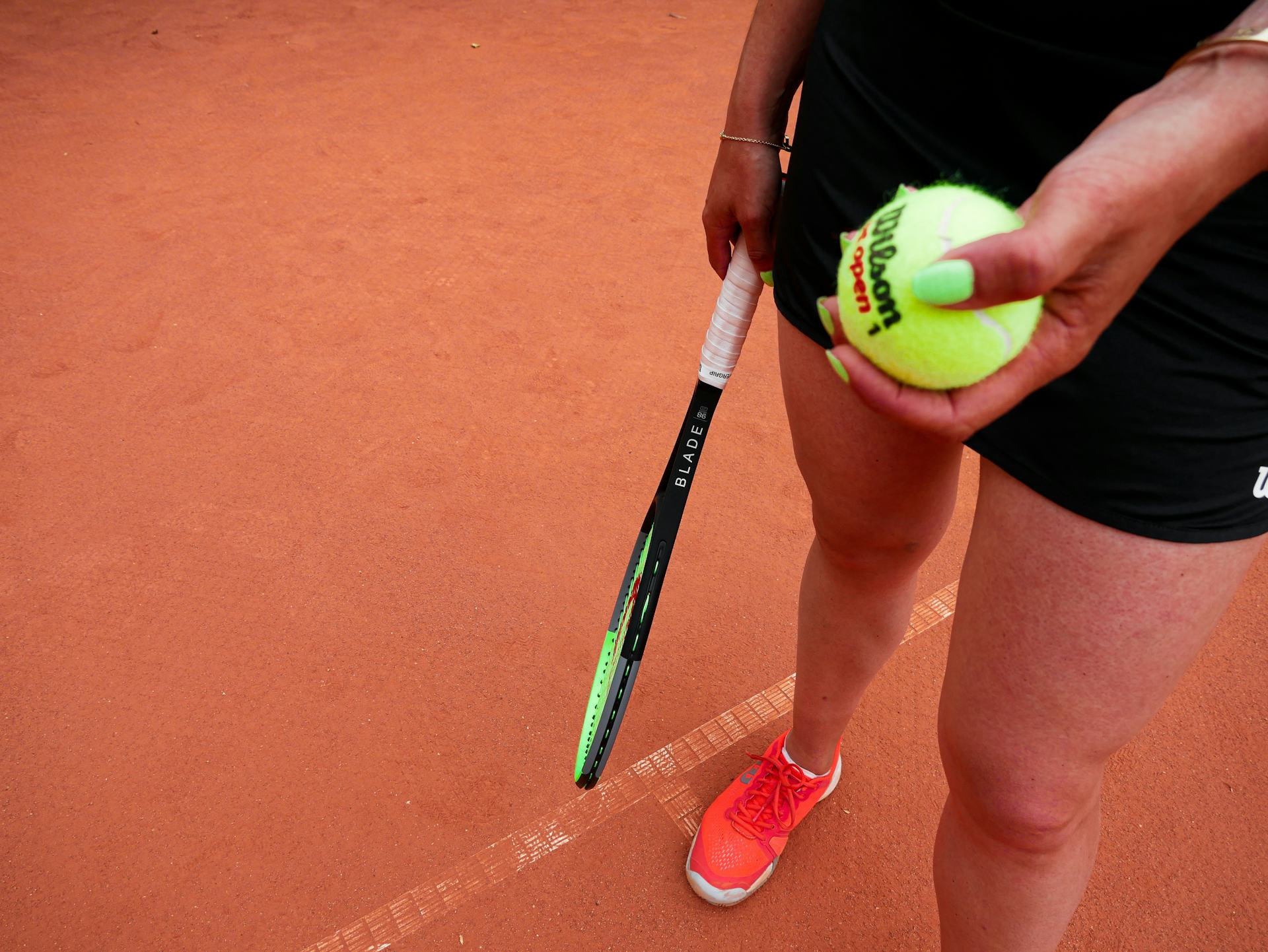
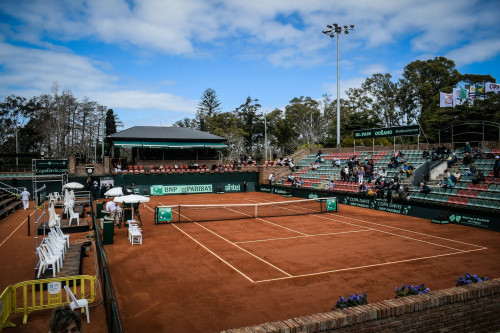
Clay courts, like those at the French Open, are the slowest in tennis. The ball loses speed when it hits the surface and bounces high, leading to long rallies and physically demanding exchanges. Players who thrive on clay are usually those with strong defensive skills, tactical awareness, and the ability to construct points patiently.
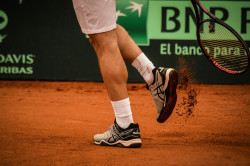
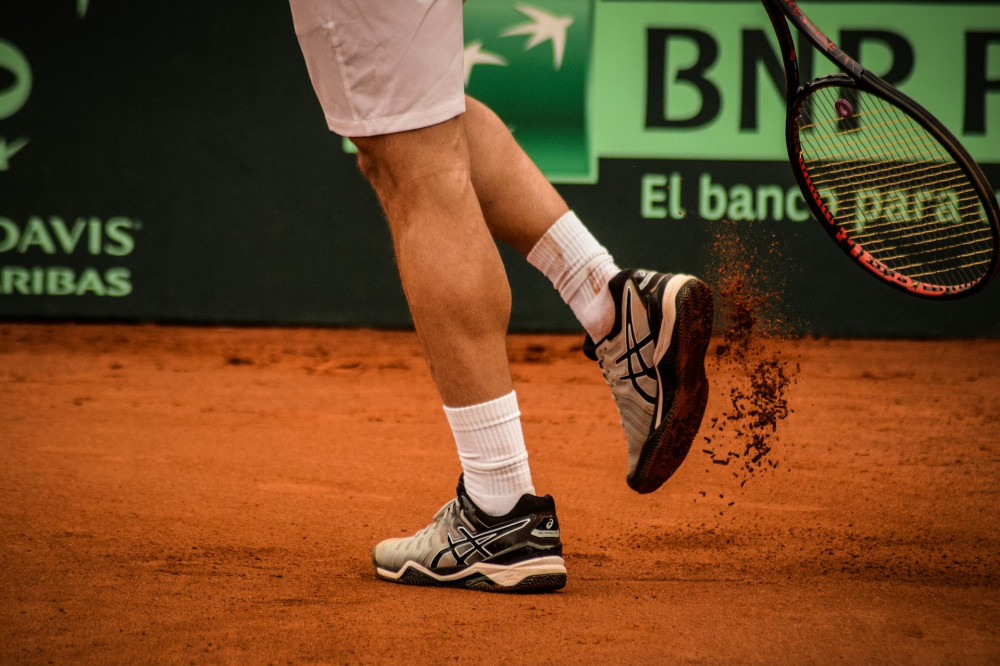
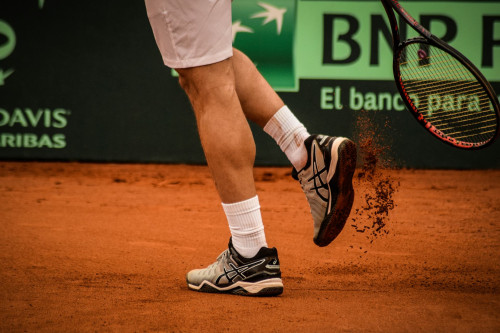
Sliding into shots and using heavy topspin are key weapons on this surface. Matches on clay often turn into endurance battles, where consistency and mental resilience matter more than raw power. Prediction: expect long rallies, strategic play, and matches that reward patience and stamina.
Grass Courts – Speed and Precision
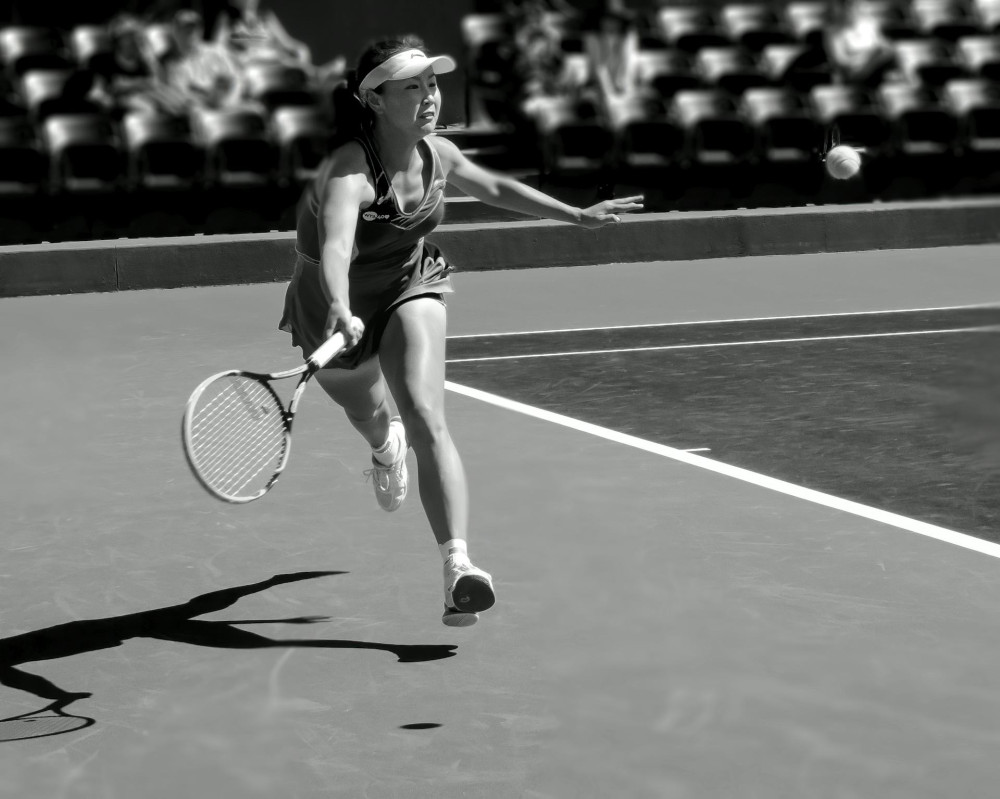
Grass courts, most famously seen at Wimbledon, are the fastest in the game. The ball skids off the surface and stays low, favoring players with aggressive styles and powerful serves. On grass, taking control early in the rally is vital—points are short, and opportunities to break serve are rare.
Players with strong serve-and-volley skills or sharp net play tend to excel here, while baseline grinders may struggle to find their rhythm. Grass demands precision, quick reflexes, and impeccable timing. Prediction: short rallies, fast-paced action, and momentum that can shift in an instant.
Læs også:
Hardcourts – The Balance Between Power and Control
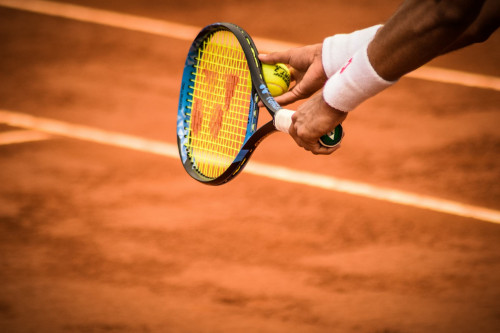
Hardcourts, used at the US Open and Australian Open, offer a middle ground between clay and grass. The bounce is consistent and moderately fast, creating a balanced environment where both offensive and defensive players can shine. It’s the most common surface in professional tennis—and the one that rewards versatility.
Players who can adapt their tactics, mix up pace, and handle high-speed rallies tend to succeed. Hardcourts favor precision and timing but can be unforgiving on the body due to their firmness. Prediction: matches full of tactical variety, where serve, return, and movement all play decisive roles.
Indoor Courts – Control and Rhythm
Indoor courts, often made of synthetic materials, remove the unpredictability of weather. No wind, no sun—just pure tennis. The conditions are usually fast, which benefits players with strong serves and aggressive play. But indoors, rhythm and focus become even more important.
Without external distractions, consistency and mental control often decide the winner. Prediction: expect clean hitting, steady tempo, and matches where concentration and composure make the difference.
How to Use Surface Knowledge
For fans, analysts, or even bettors, understanding the surface can be the key to predicting how a match might play out. Here are a few practical tips:
- Check a player’s record on the surface. Some players dominate on one type of court but struggle on another.
- Consider playing style. Big servers and aggressive hitters thrive on fast courts, while patient baseliners excel on clay.
- Factor in the weather. Even on the same surface, humidity, temperature, and wind can change how the ball behaves.
- Look at the stage of the tournament. Early rounds often expose surface weaknesses, while top players adapt as the event progresses.
The Surface as Tennis’s Hidden Partner
The court surface is tennis’s silent partner—a hidden force that shapes every rally, every strategy, and every outcome. By understanding how the ball reacts on different surfaces, you can not only appreciate the game on a deeper level but also anticipate how a match is likely to evolve.
So next time you watch a tennis match, pay attention to how the players move, how the ball bounces, and how the surface itself helps write the story of the game.
Læs også: